Fifty-one undergraduates, fifty-one original projects.
The Biology and AI CURE is a course where students run their own evolutionary-biology research projects using phylogenetic comparative methods and AI-assisted analysis. Every card below is a question whose answer is unknown, carried by an undergraduate from hypothesis through data assembly to results that feed into real publications.
What a CURE is
A Course-based Undergraduate Research Experience (CURE) replaces cookbook labs with real research. Every student works on a question whose answer is unknown, so the work can feed into real publications. In this course students pair evolutionary biology with AI tools to build phylogenetic datasets, run comparative analyses, and interpret results at a level usually reserved for graduate students. These are not class exercises: they are original research projects carried out by undergraduates from across the university.
Spring 2026 cohort
Exploring whether extreme heat environments push fish toward genetic sex determination by mapping sex-determining mechanisms against temperature extremes across freshwater minnows. Uses data on sex determination mode and 95th-percentile maximum temperatures in Cyprinidae.
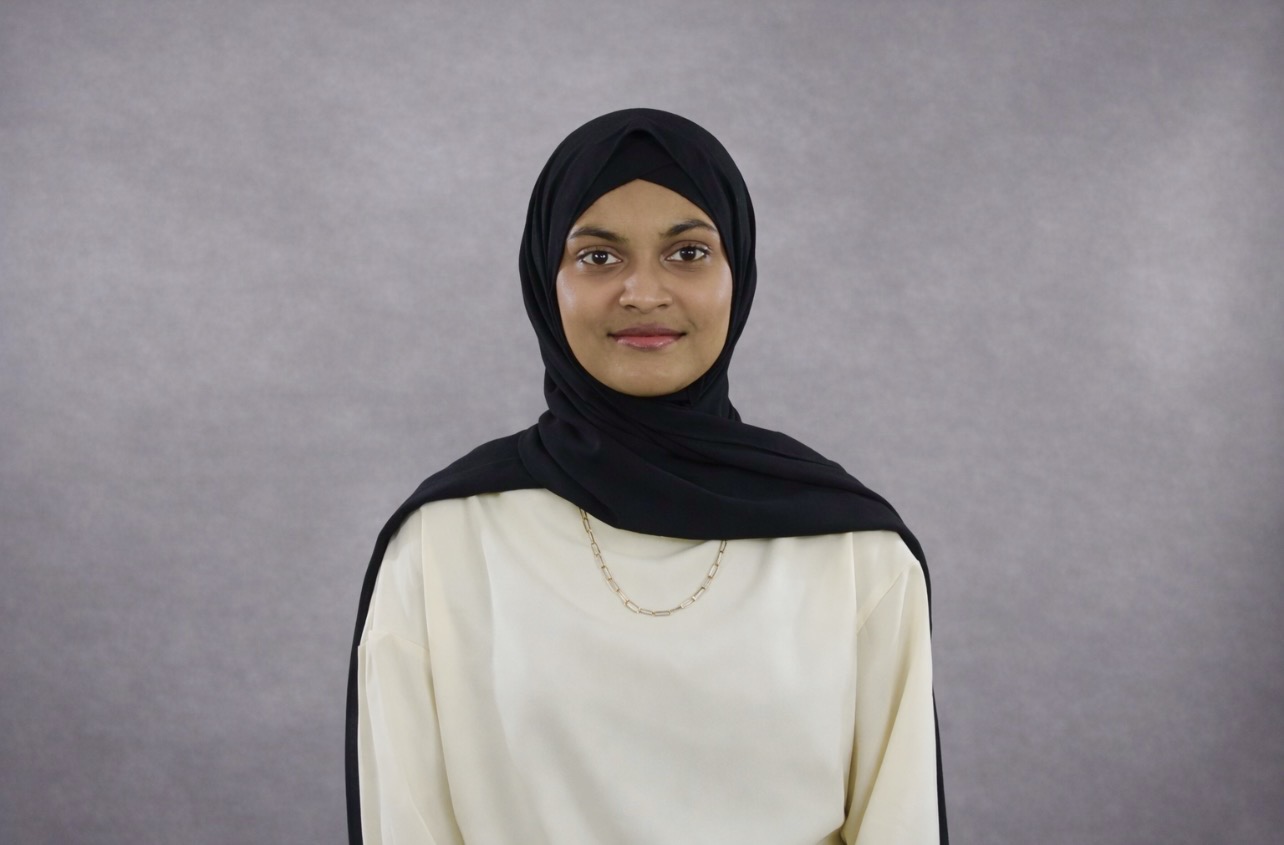
Investigating the paradox of chromosomal stability in whales and dolphins: most share 2n=44, yet harbor remarkable micro-scale genomic variation. Exploring whether habitat fragmentation drives cryptic chromosomal restructuring in Cetaceans.
Asking whether investment in touch and vision evolve in lockstep across rodents by measuring skull morphology traits linked to sensory structures. Collecting tactile and visual trait measurements from Cricetidae skulls.
Investigating whether specialist fruit flies have streamlined their taste receptor toolkit compared to generalists. Comparing gustatory receptor gene repertoire sizes against host plant breadth across Drosophilidae.
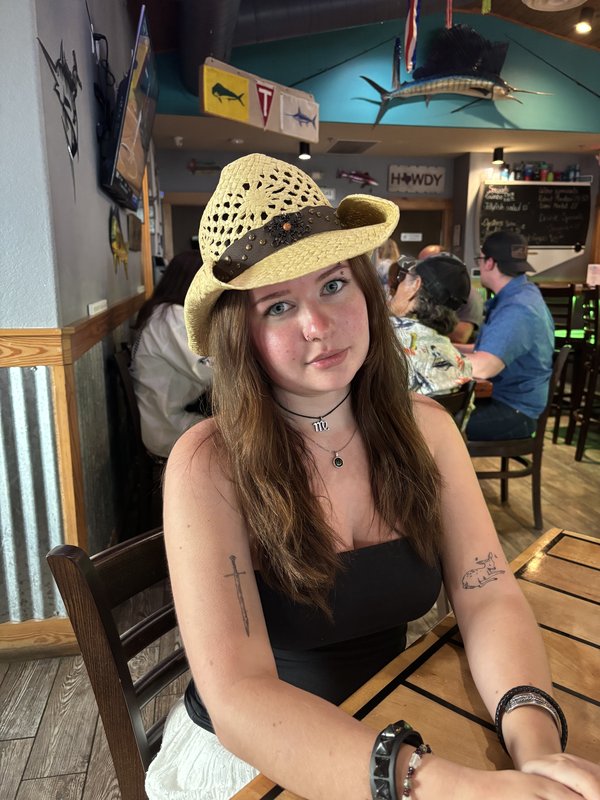
In her second semester working in Dr. Blackmon's CUREs course. Testing whether habitat type (lentic ponds versus lotic streams) drives the evolution of sexual size dimorphism in dragonflies and damselflies. Collecting size dimorphism and habitat data across Odonata.
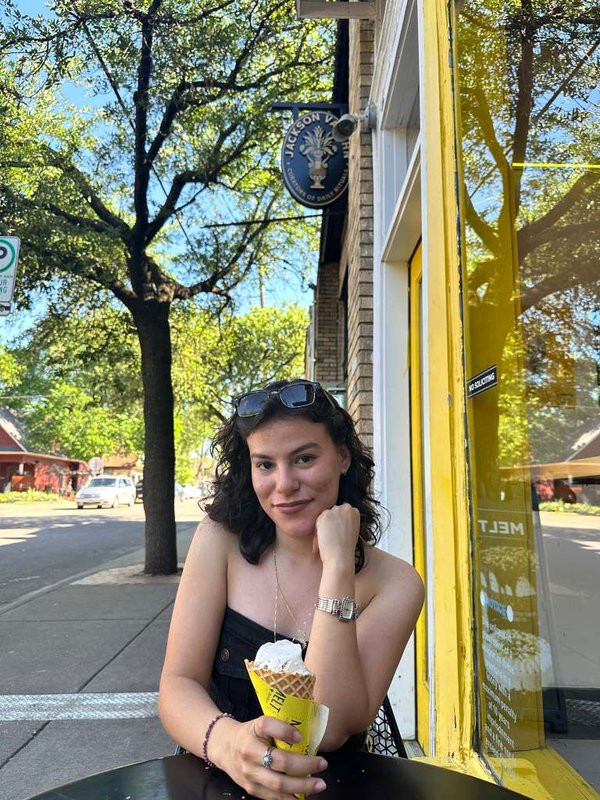
Investigating whether flash-displaying hidden wing colors in stick insects represents an evolutionary stepping stone from camouflage to full warning coloration. Mapping deimatic and aposematic traits across Phasmatodea.
Uncovering the evolutionary rules that govern diet transitions (sap-feeding, seed-eating, and predation) across one of the most ecologically diverse insect orders. Tracing dietary shifts across a phylogeny of Hemiptera.
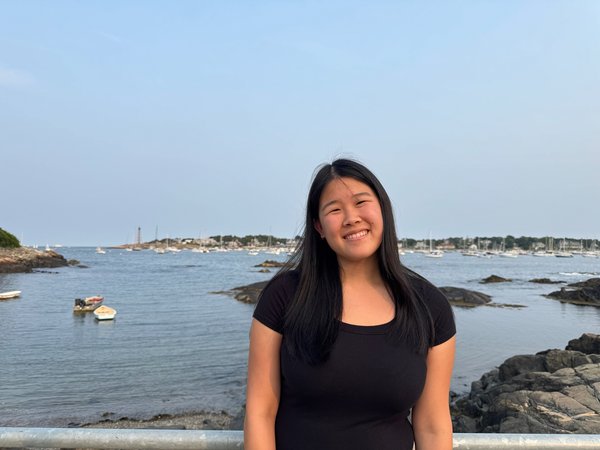
Exploring whether island butterfly and moth populations show accelerated chromosome evolution compared to their mainland relatives. Comparing chromosomal change rates across island versus mainland Lepidoptera.
Testing whether how a plant disperses its seeds (by wind, water, or animal) shapes the pace of its chromosome evolution. Collecting dispersal mode, dispersal distance, and genome size data across Brassicaceae.
Asking whether hawks and eagles with larger geographic ranges experience different rates of chromosome number evolution than range-restricted species. Mapping haploid chromosome numbers against range size in Accipitriformes.
Testing the drift barrier hypothesis by examining whether island-endemic skinks, with their smaller population sizes, show faster chromosomal evolution than mainland relatives. Compiling chromosome counts and island-versus-mainland status across Scincoidea.
Testing whether mating system and sexual dimorphism evolve in concert across game birds, as sexual selection theory predicts. Measuring six skeletal dimorphism traits and scoring mating systems in Galliformes.
Investigating whether colonizing islands triggers shifts in spider silk properties, linking biogeography to biomaterial evolution. Collecting tensile strength measurements and island-versus-mainland status across Araneae.

Testing whether habitat (marine, freshwater, or terrestrial) shapes the pace of chromosome number evolution in turtles. Analyzing haploid numbers for 141 Testudines species alongside their habitat classifications.
Exploring whether genome size and wood density evolve together in conifers and their relatives, linking cellular-level genomics to whole-organism traits. Collecting genome size and wood density measurements across Gymnosperms.
Asking whether having a massive genome speeds up or slows down chromosomal rearrangement and lineage diversification in grasshoppers and crickets. Compiling genome sizes and chromosome data across Orthoptera.

Testing whether the reduced population sizes of island snakes accelerate their chromosome number evolution compared to continental species. Collecting chromosome counts and geographic data across Serpentes.
Testing a new hypothesis: that the tail membrane (uropatagium) of bats co-evolves with echolocation, pushing back on the field's narrow focus on wing shape. Measuring uropatagium dimensions and call parameters across Chiroptera.
Investigating whether arboreal versus terrestrial lifestyles shape body size and litter size evolution in marsupials. Collecting life history and ecological data across Marsupialia.
Testing the drift barrier hypothesis in beetles by asking whether flightless scarab species, with their smaller and more isolated populations, show faster chromosome evolution. Mapping winglessness and chromosome data across Scarabaeidae.

Asking whether the way a frog develops (hatching as a tadpole versus emerging fully formed) predicts the rate of chromosome evolution. Uses AmphiBIO development mode data and chromosome counts across Anura.
Investigating whether sperm competition reshapes both testes investment and sperm energetic design in primates, connecting mating behavior to cellular-level evolution. Collecting testes size and sperm midpiece length data across Primates.
Testing whether specialist parasitoid wasps, locked into narrow host relationships, experience faster chromosomal evolution than their generalist relatives. Collecting host specificity and haploid chromosome numbers across Hymenoptera.
Asking whether genome size constrains how many ecoregions a plant species can occupy, linking genome architecture to ecological range. Analyzing genome size and ecoregion counts across the sunflower family Asteraceae.
Asking whether genome size predicts rates of chromosome evolution across beetles, one of the most species-rich animal orders on Earth. Compiling genome and chromosome data across Coleoptera.

Testing whether weevil rostrum shape tracks the plant structures they use for egg-laying, supporting an adaptive multi-optimum model of evolution. Measuring rostrum morphology and oviposition guild across Curculionidae.
Exploring the convergent evolution of pelvic suction disks in goby fishes, asking whether substrate type drives repeated adaptation of this attachment structure. Measuring relative pelvic disk area and habitat type across Gobiidae.
Asking whether jaw suspension type acts as an evolutionary constraint on morphological diversification in sharks and rays. Collecting jaw morphology trait data across Chondrichthyes.
Investigating whether genome size predicts the rate of chromosome number evolution in fungi, connecting genome architecture to karyotype dynamics. Compiling genome and chromosome data across Fungi.

Testing whether habitat drives wing size evolution through selection versus drift in flightless ratites and their flying relatives, the tinamous. Testing his hypothesis on recently extinct taxa (moa) alongside the extant diversity of Palaeognathae, collecting body mass, wing length, and habitat data.

Asking whether polyploidy (whole-genome duplication) gives orchids a colonization advantage by expanding their geographic ranges. Mapping ploidy level against range size across Orchidaceae.
Testing whether reproductive mode shapes genome size evolution in tetras and characins, linking life history strategy to molecular architecture. Collecting reproductive and genomic data across Characidae.
Asking a fascinating evolutionary sequence question: did catfish become nocturnal before or after evolving body armor? Scoring armor presence and activity pattern across Siluriformes.
Exploring whether the boom-and-bust lifecycle of annual killifish, driven by seasonal rainfall, accelerates their chromosome evolution. Linking precipitation seasonality to chromosome data in Nothobranchiidae.

Taking a computational approach to ask whether domestication shifts the shape of the protein-coding landscape in carnivore genomes. Comparing proteome embedding patterns between domestic and wild Carnivora.
Tracing the evolutionary history of caffeine biosynthesis to determine whether this iconic chemical defense evolved once or arose independently multiple times in the coffee tribe. Scoring caffeine production across approximately 50 species of Coffeeae.
Investigating whether genome size influences the rate of chromosome evolution across lilies, connecting molecular-level variation to karyotype dynamics. Using chromosome counts and genome size data from Kew and NCBI across Liliaceae.

Testing whether genome size predicts rates of chromosome evolution in ferns, a group famous for their enormous genomes. Using the Kew Plant DNA C-values Database and chromosome counts across Pteridophyta.
Investigating whether reliance on the labyrinth organ (an air-breathing adaptation) correlates with body size and chromosome number evolution in gouramis and their relatives. Collecting trait data across Anabantiformes.
Studying chromosome evolution in geckos, one of the most species-rich lizard families. Collecting karyotype data across Gekkonidae.
Testing whether island iguanas and their relatives show faster chromosome evolution than mainland populations, applying the drift barrier framework to reptiles. Compiling chromosome data across Iguania.
Asking whether the presence of B chromosomes (those extra genomic passengers) correlates with genome size evolution in nightshades. Mapping B chromosome presence and genome size across Solanaceae.

Testing whether genome size predicts the rate of chromosome number evolution in leaf beetles, one of the most diverse herbivore radiations. Compiling genome and chromosome data across Chrysomelidae.

Asking whether the evolution of eusociality breaks the classic flight-fecundity trade-off in cockroaches and termites. Collecting flight capability and fecundity data across Blattodea.
Investigating whether a burrowing lifestyle drives the convergent evolution of pectine tooth counts across scorpion lineages. Compiling pectine morphology and ecology data across Scorpiones.

Testing the drift barrier hypothesis by asking whether rodents with small home ranges and low population density show faster chromosome evolution. Using home range, population density, chromosome count, and genome size data across Muridae.

Testing whether paedomorphosis (retaining juvenile traits into adulthood) correlates with accelerated chromosome evolution in salamanders. Mapping developmental strategy against karyotype change rates across Caudata.
Exploring whether climate (cold and seasonal versus warm and tropical) predicts genome size across passionflowers and their relatives. Collecting climate and genomic data across Passifloraceae.

Testing whether migratory songbirds show different chromosome evolution rates than sedentary species, linking behavioral ecology to genome architecture. Collecting migratory status and chromosome numbers across Passeriformes.
Quantifying elytral melanism in ladybugs to test whether coloration patterns reflect a thermoregulation and habitat trade-off. Measuring percent black dorsal surface across species in her Coccinellidae phylogeny.
Project details coming soon.
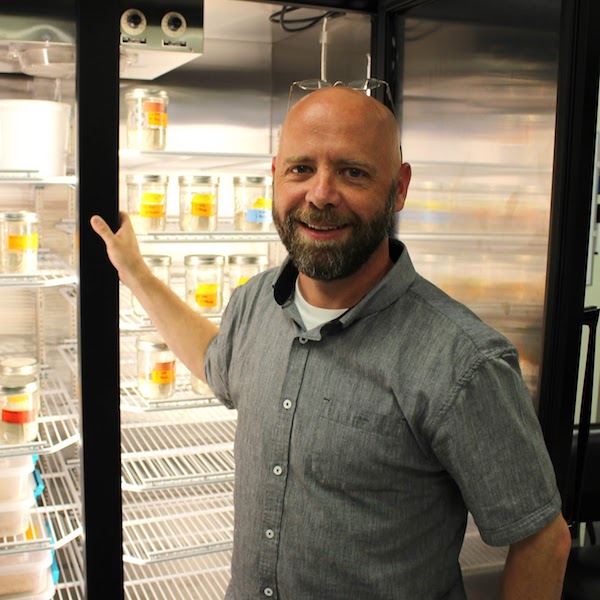
Heath Blackmon is an associate professor and evolutionary biologist leading the Biology and AI CURE. He is testing the Drift Barrier Hypothesis by determining whether large genomes lead to higher rates of chromosome evolution, using a dataset of haploid chromosome numbers and sex chromosome systems spanning all of Metazoa.
This program is made possible by the generous support of Bonsall S. Wilton '72 and the Wilton CUREs Excellence Endowment.